Liquid Gold of the Swiss Riviera. Lavaux Wine Guide.

19/02/2026

Liquid Gold of the Swiss Riviera. Lavaux Wine Guide.

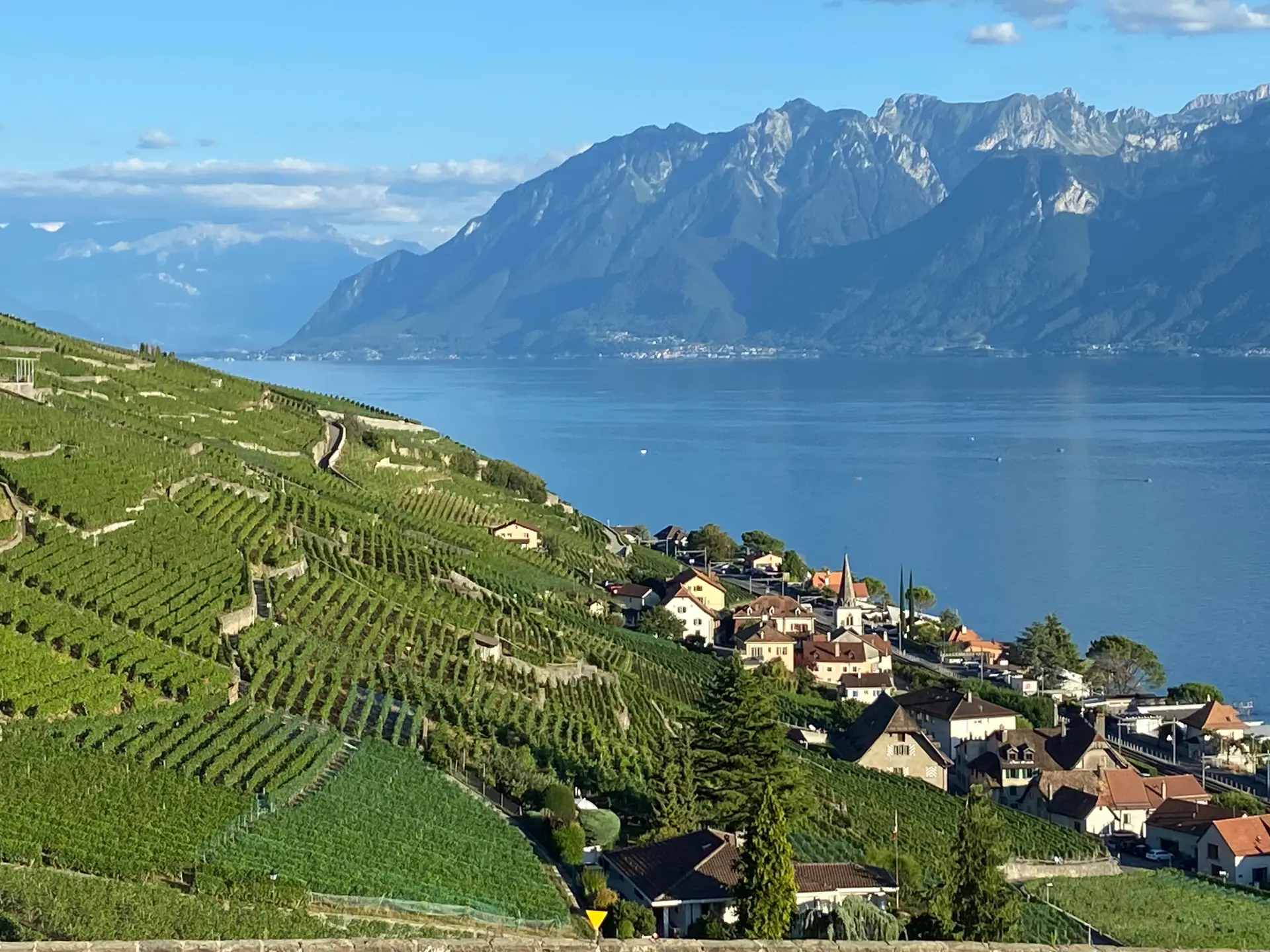
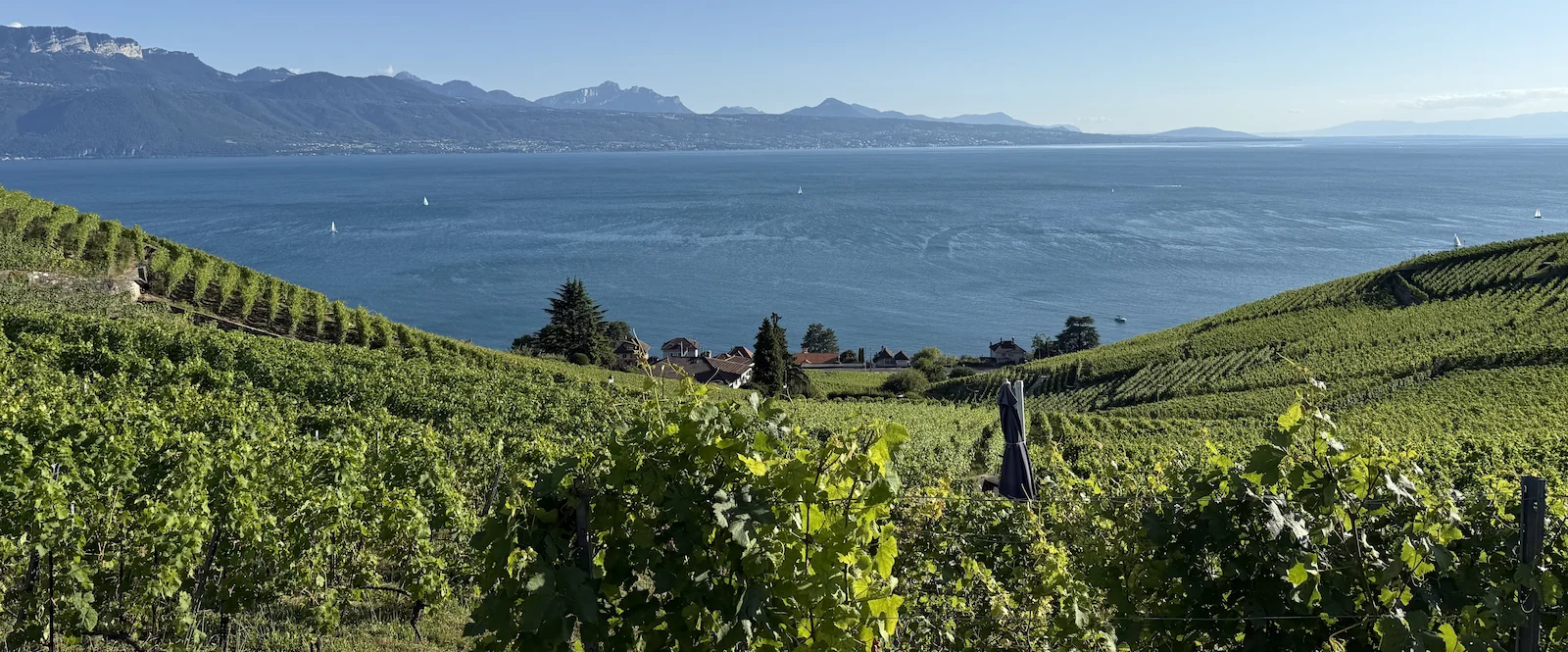
Switzerland is not widely known for its wines, yet local wine is very much a reality — and among the local varieties, there are true hidden gems for wine lovers. If you are planning to include the Guided Vineyard Walk in Lavaux region (a UNESCO World Heritage site) during your trip to Switzerland, here is your guide to the essential flavours of the area.

1. Chasselas: King of the Terraces

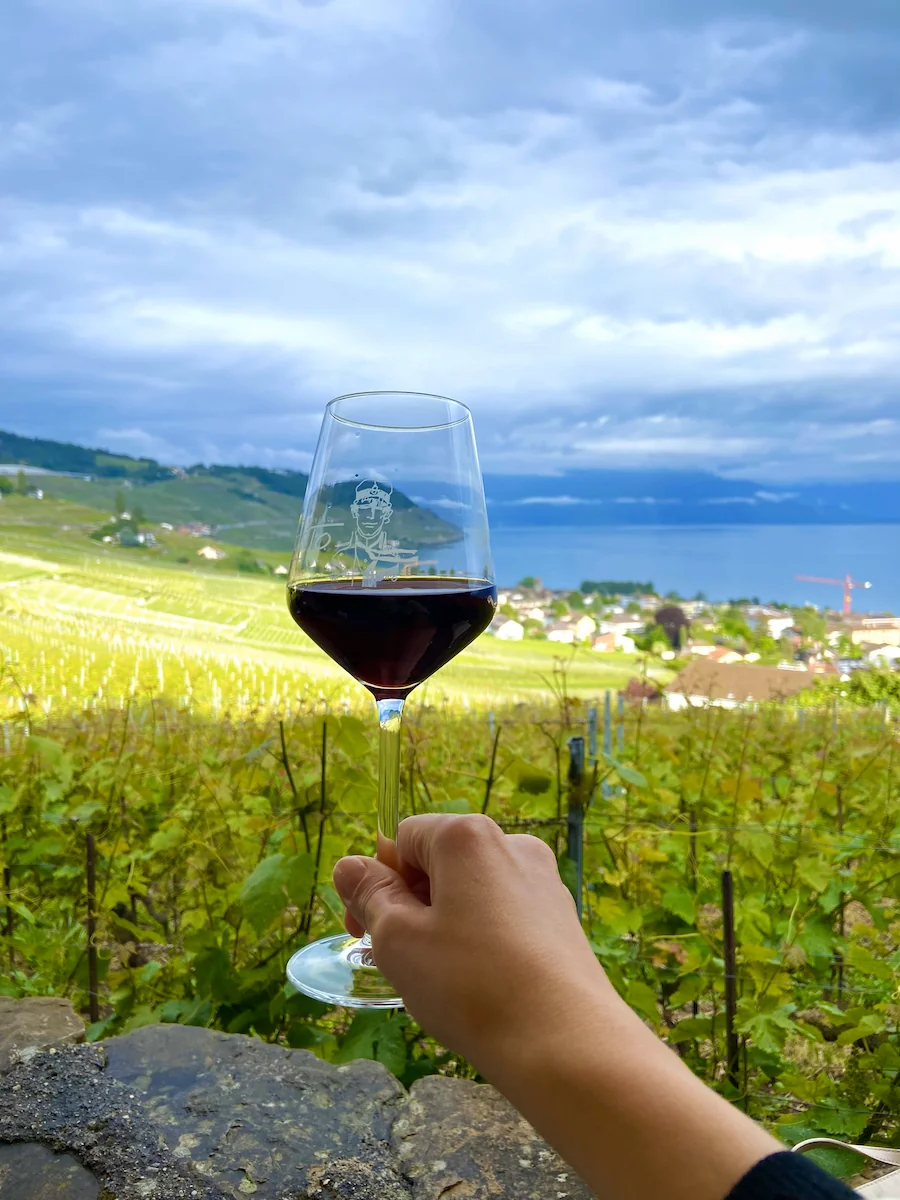
Chasselas is the main grape variety of the region, and it is here that it reaches absolute perfection. To truly experience the UNESCO terraces, one must begin with a cold, vibrant glass of Chasselas — the main treasure of the Swiss Riviera. While this grape can be found in many other countries, it is native to the northern shores of Lake Geneva (Lac Léman), where the soil is ideal for its cultivation. Chasselas is a "mirror grape." It has a neutral base but absorbs everything the soil gives it, making it extremely sensitive to terroir. A wine from Dézaley will be radically different from one from Epesses, even though they are only a few kilometers apart. But in every glass of Chasselas, you will discover a vibrant freshness and distinct minerality, complemented by delicate notes of white flowers and a subtle sparkle (pétillance). Aged versions develop hints of honey and hazelnut. Chasselas is perfect as an aperitif, it brilliantly refreshes and balances rich Swiss classics like fondue and raclette. It is also the classic pairing for Lake Geneva fish, specifically perch fillets (filets de perche). While Lavaux is traditionally considered a white wine region, the local reds deserve special attention and must be included in your swiss wine tasting. Here you will encounter unique Swiss hybrids bred specifically for local climate and soil.
blog slide 0

2. Gamaret and Garanoir

Gamaret and Garanoir are complementary sibling varieties developed in the 1970s at the Pully research station near Lausanne. Specifically engineered for the local terroir, they have since become staples of the region's red wine portfolio.

  • Gamaret: Often called the "power unit" of the duo. It produces structured wines with deep ruby or purple colors. Expect aromas of blackberry, blackcurrant, and spices (black pepper), sometimes with hints of leather and tobacco. It has a solid tannin structure and moderate acidity, often aged in oak to add vanilla and smoky nuances. It is stylistically close to Syrah or Cabernet-based wines.
  • Garanoir: The softer, fruitier counterpart. It ripens early and produces a deep red wine with purple highlights. It features aromas of ripe cherry, raspberry, and violet with soft spices. On the palate, it is very round and "drinkable," with velvety tannins. It resembles a rich Gamay or a soft Merlot. These two famous Lavaux grape varieties are often blended to create a perfectly balanced wine that pairs beautifully with local meats, spicy dishes, or mature hard cheeses.
blog slide 1

3. Diolinoir

A cross between the ancient Rouge de Diolly from the neighboring Valais canton and the elegant Pinot Noir. Diolinoir is a "structural titan" often used in blends to provide a nearly inky color and noble astringency. In its pure form, it impresses with a powerful aroma of dark berries, blueberries, licorice, and chocolate, boasting great density and "pedigreed" tannins. In pairing It requires serious partners like rack of lamb with rosemary, wild boar, or blue cheeses.

blog slide 2

4. Galotta

The result of an ambitious cross between the refined Ancellotta and the classic Gamay. Galotta shows impressive intensity with a dense color and concentrated aromas of blackcurrant and blackberry, often complemented by dark chocolate notes when oak-aged. Structurally, it is like an athlete — boasting a tannin "skeleton" much stronger than Gamay while maintaining freshness. It pairs best with hearty dishes like roast beef, lamb chops with herbs, or rich cheeses like Gruyère and L’Etivaz.

blog slide 3

5. Plant Robert

This variety stands alone as a rescued heritage grape rather than a lab hybrid. A unique clone of Gamay, it nearly vanished in the mid-20th century, saved only by the passion of a few Lavaux winemakers. Its history reads like a detective story: by the 1960s, only a few vines remained. Today, it is an official regional specialty and a must-include in any Lavaux wine tasting. Only 8–10 hectares exist in the entire country. Every authentic bottle is protected by a numbered neck label, ensuring hand-harvesting and strict origin standards. Unlike standard Gamay, Plant Robert is more concentrated, deep, and earthy, with a distinct minerality from the steep lakeside terraces. It offers complex notes of red berries mixed with "wild" hints of black pepper and musk. It pairs perfectly with local delicacies like Saucisson Vaudois, game meats, and soft bloomy-rind cheeses, as well as dishes featuring wild mushrooms.

blog slide 4

Would you like to walk through the sun-drenched vineyards and taste these unique wines at small, family-owned estates?

Book my guided tour in the Lavaux Terraces, and I will be delighted to be your guide to the world of Swiss winemaking.

blog slide 5

Our tours in Switzerland

all tours