Switzerland travel planning guide: ideas, costs, weather & when to go

29/01/2026

Switzerland travel planning guide:  ideas, costs, weather & when to go

Planning a trip to Switzerland is like assembling a Swiss watch: it takes precision, a bit of investment, and a lot of admiration for fine details. Since you're here at SwissAnPi, you've already taken the first step toward a curated, local experience.

Here is your essential 2026 guide to navigating the "Land of Milk and Money."

1. When to Go: The Four Personalities of Switzerland

Switzerland doesn't have a "bad" time to visit; it just has different moods.

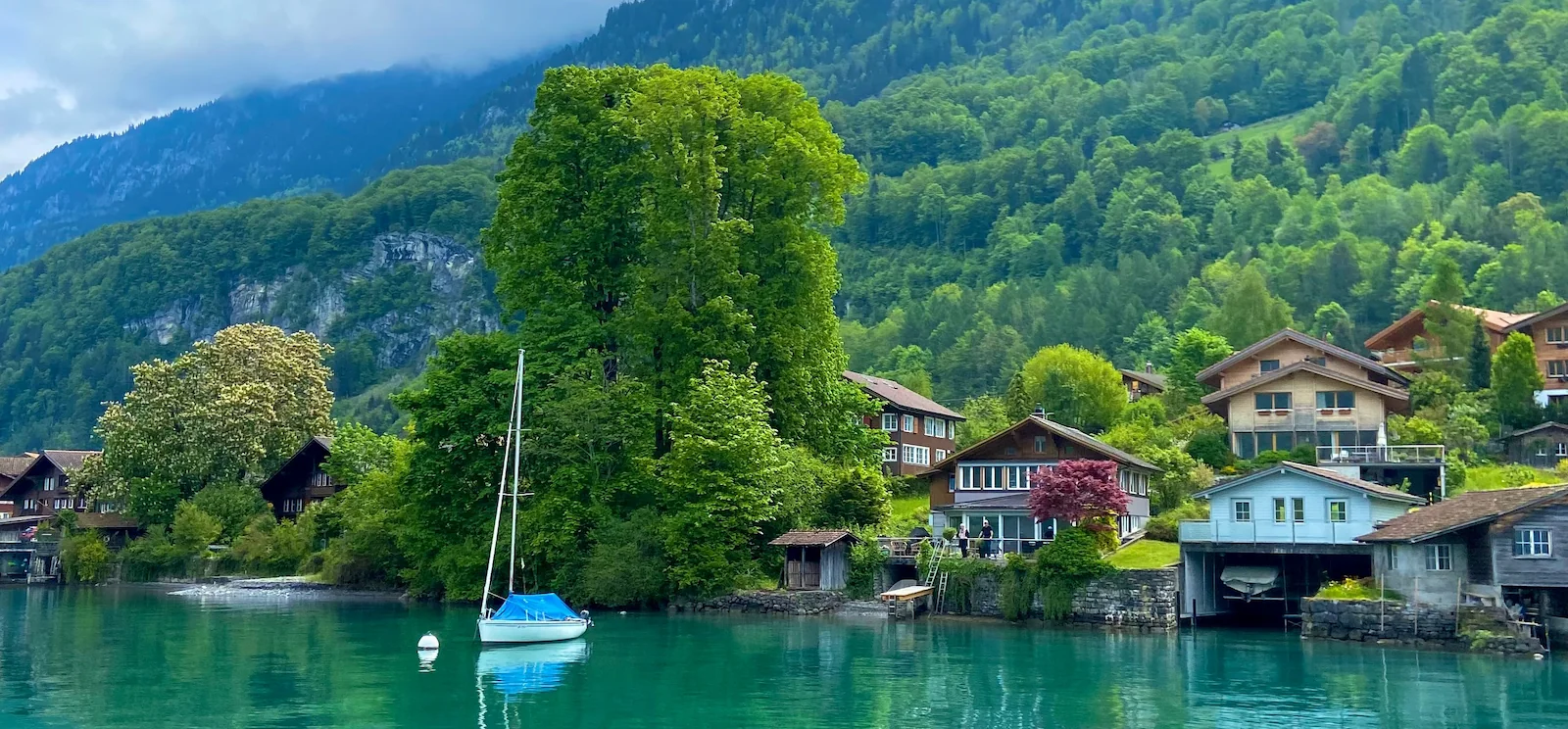
  • Summer: Best for high-alpine hiking and lake swimming. The days are long, and the mountain passes are fully open. Warning: This is peak season -- expect crowds and the highest prices.
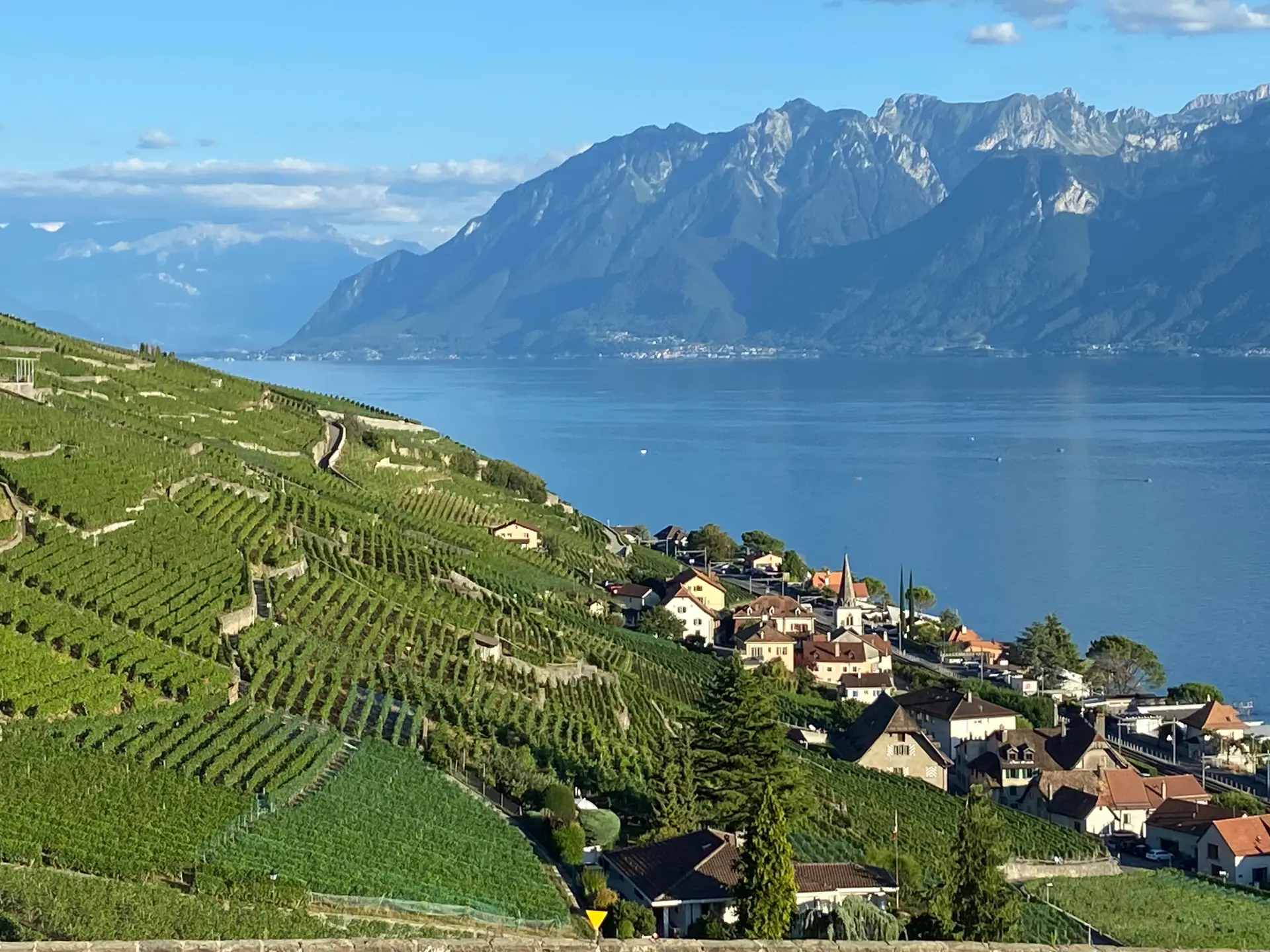
  • Autumn: My personal favorite. The crowds thin out, the vineyards of Lavaux (next to Lausanne) turn gold, and the weather is stable. Perfect for wine lovers and photographers.
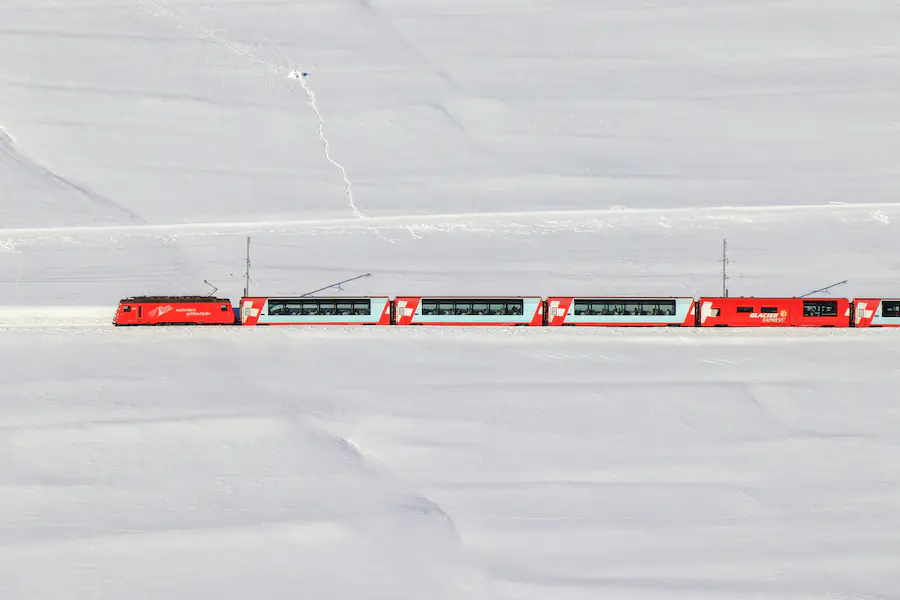
  • Winter: A wonderland for skiers and Christmas market enthusiasts. It's cozy, but keep in mind that many mountain hiking trails are inaccessible without snowshoes.
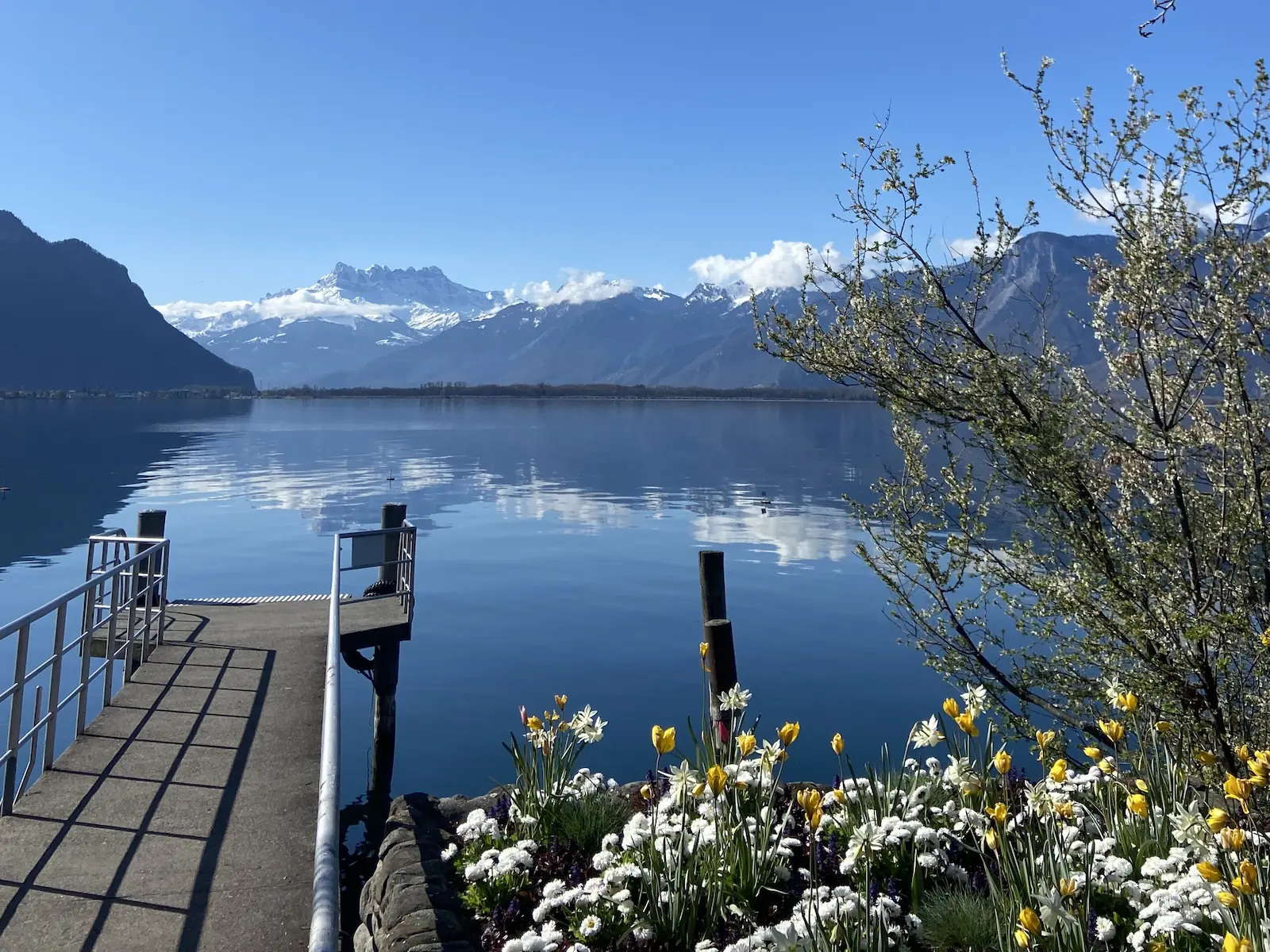
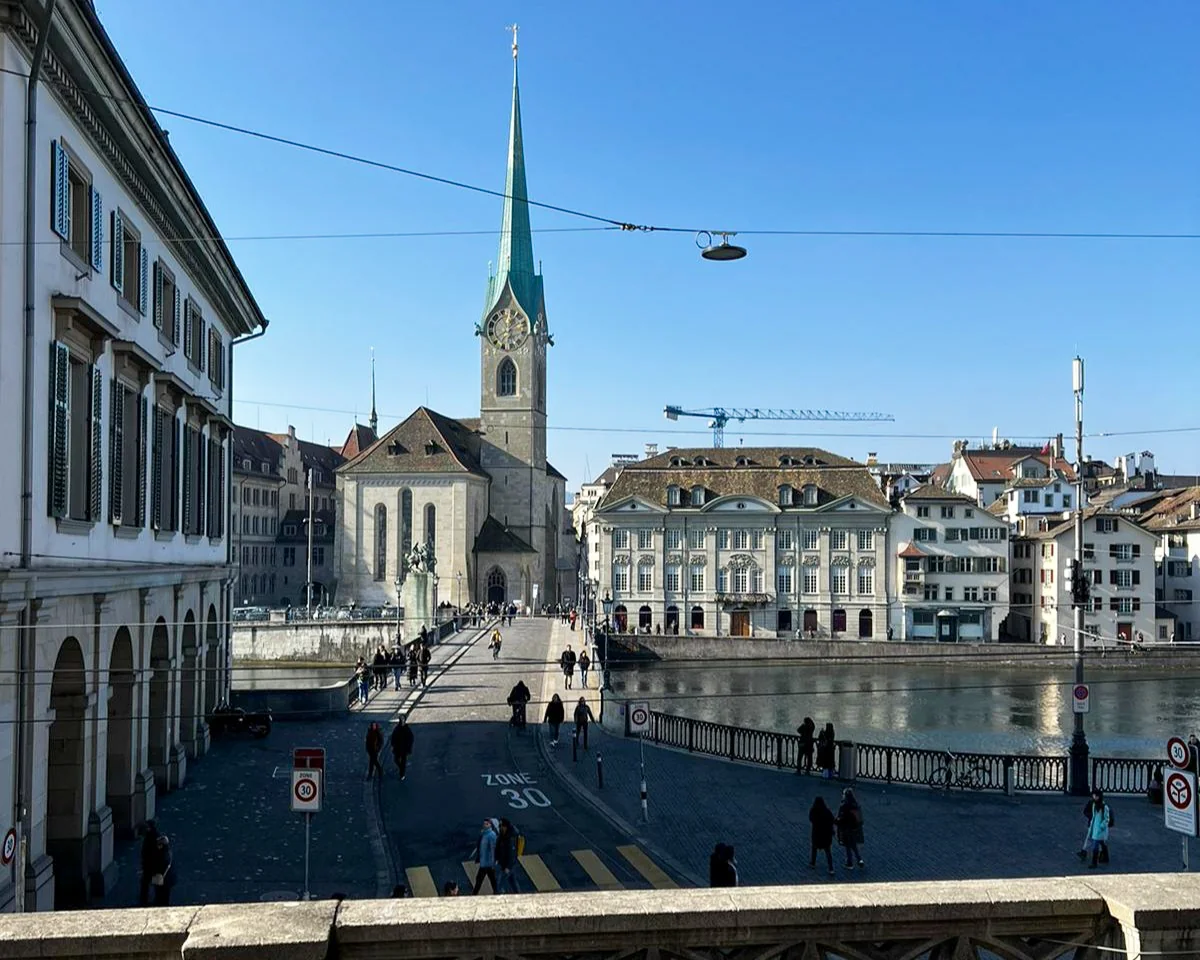
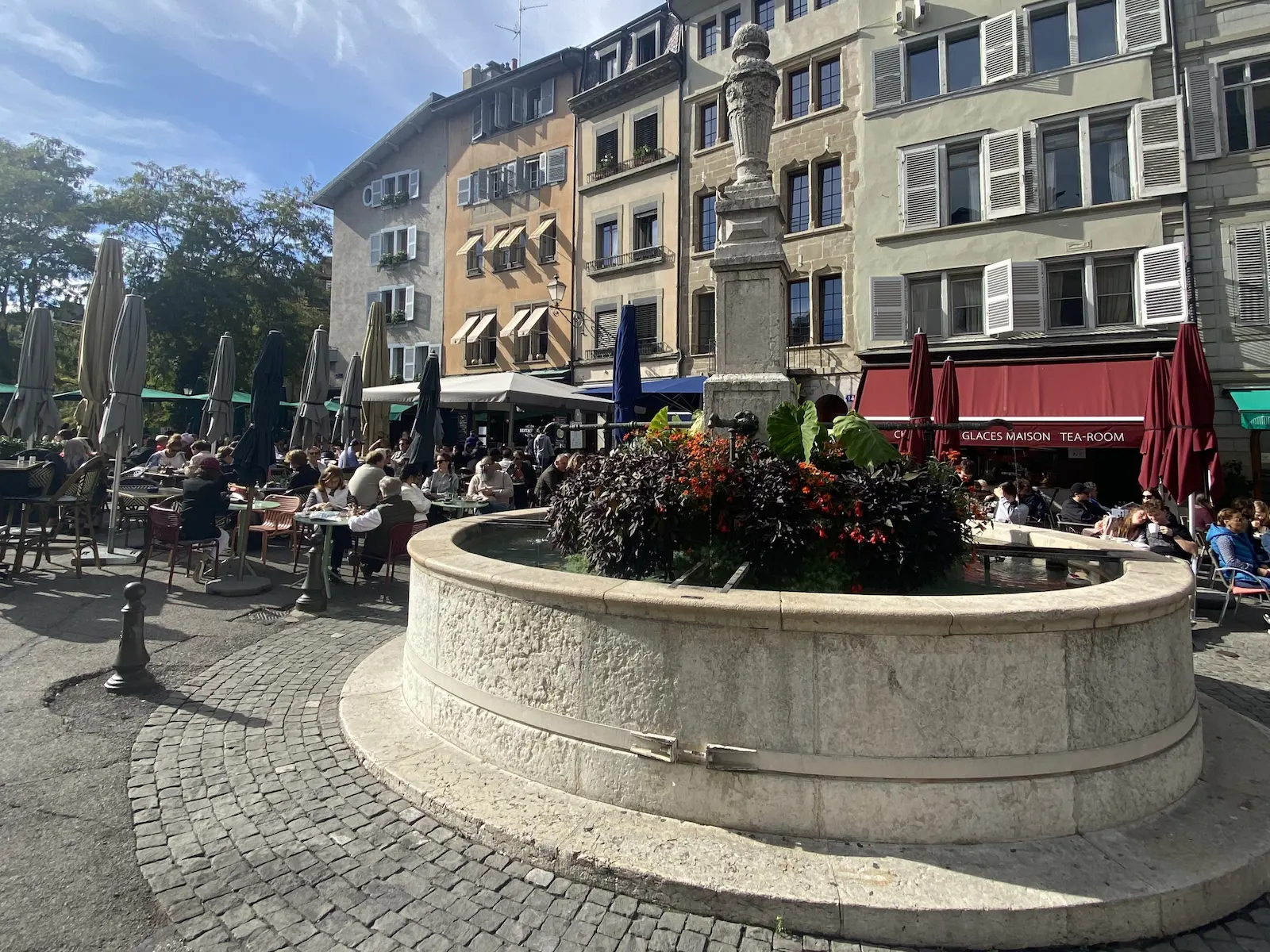
  • Spring: The valleys are blooming, but the high peaks are "in-between." It's the best time for city breaks in Geneva or Zurich and lower-altitude hikes.

Mind the Maintenance: Keep in mind the autumn and spring Revision periods (late October to mid-December and late March to May). Once the hiking season ends, many funiculars and cable cars close to prepare for the winter ski crowds. And in spring, when the snow melts, most mountain transport closes for 2–6 weeks for annual maintenance as they transition from ski season to summer hiking.

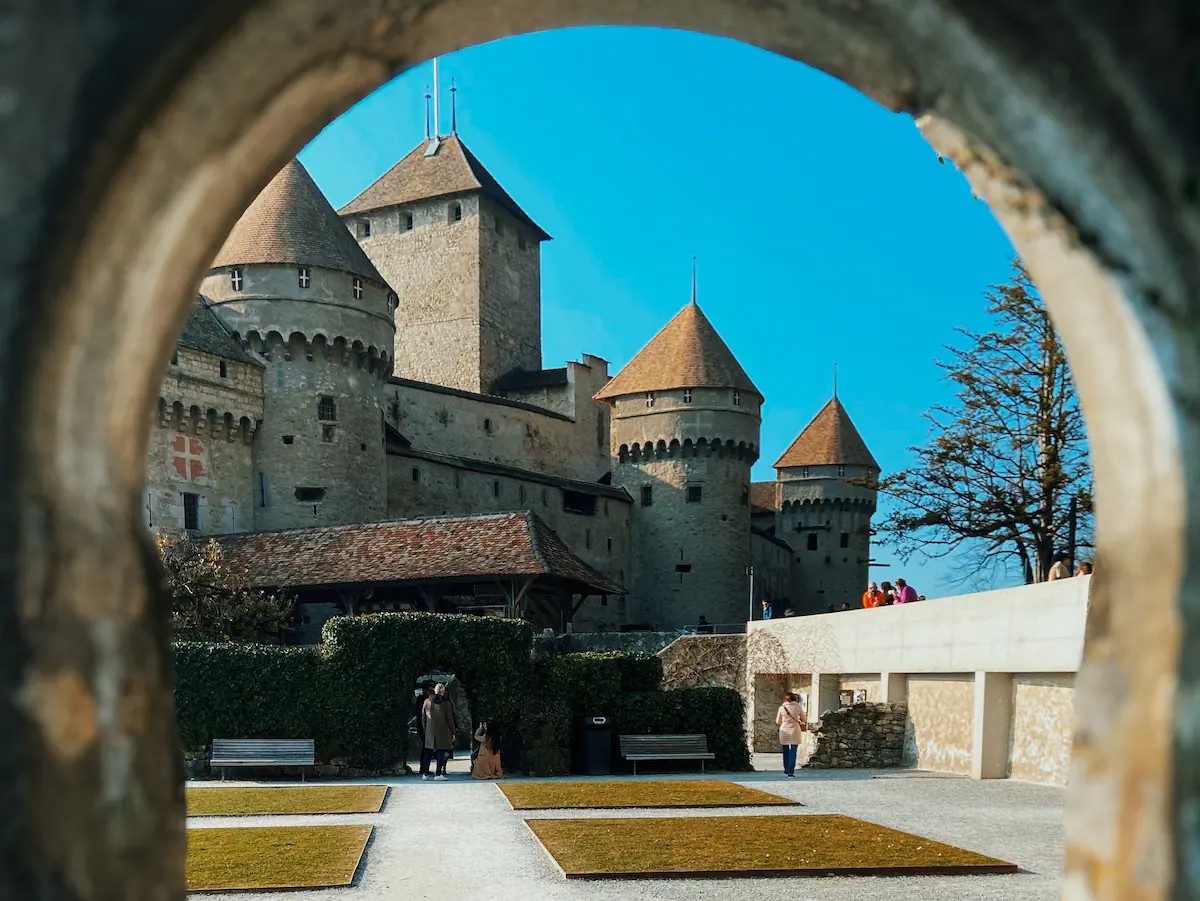
Pro Tip: If you visit Switzerland in such period, focus on "all-weather" culture! The Château de Chillon in Montreux, the Olympic Museum in Lausanne, and the famous Maison Cailler chocolate factory in Gruyères remain open and are much quieter than usual.
blog slide 0

2. Packing Strategy: The "Layer" Secret

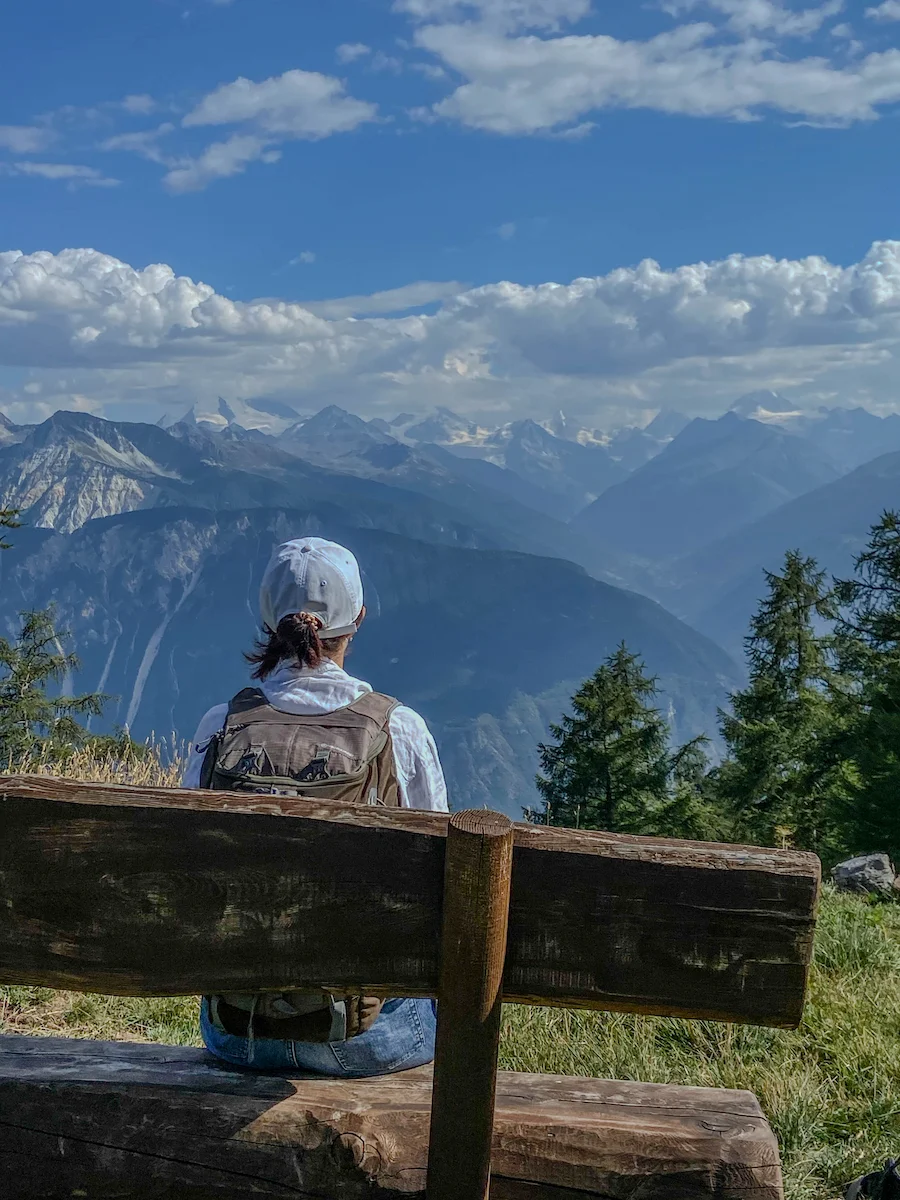
In Switzerland, you can experience three seasons in a single day. You might start your morning in a sun-drenched valley (25°C) and end it on a mountain summit at 3,000m where there is permanent snow and wind chill.

Dress in Layers: This is the golden rule.

  • A moisture-wicking base layer
  • A warm mid-layer (fleece or light down)
  • A waterproof outer shell

These will keep you comfortable everywhere.

blog slide 1

3. Getting Around: The Magic of the Rails

Unless you are planning to visit very remote valleys, skip the car rental. The Swiss travel system is legendary.

Swiss Travel Pass: This is your "Golden Ticket." It grants you:

  • Unlimited travel by train, bus, and boat
  • Free entrance to over 500 museums across the country
  • Coverage of premium panoramic trains (seat reservations are extra)
  • 50% discount on most mountain excursions

2026 Pricing Example (3-Day Pass):

  • 1st Class: Approximately 527 USD (CHF 405)
  • 2nd Class: Approximately 331 USD (CHF 254)

If you aren't traveling every single day, you may opt for The Half Fare Card: 156 USD (CHF 120) for 50% off all transport for a month.

Note: Prices in USD may fluctuate slightly based on the exchange rate, but the convenience of hopping on any train without a ticket remains priceless.

blog slide 2

4. Money & Payments

While Switzerland is highly digital, you shouldn't rely 100% on your card.

  • Keep some Cash: You will need Swiss Francs (CHF) for small mountain huts, local farm honesty-shops, or small wineries in Lavaux that may not accept cards or Apple Pay.
  • Currency: While many places near the border take Euros, you'll get a better rate (and change back) in Swiss Francs (CHF).
  • ATMs are widely available, but fees can vary; withdrawing a reasonable sum at once is often more cost-effective.

Even in larger towns, you may encounter bakeries, local markets, or small cafés where cash is still the preferred method. Carrying a modest amount of Swiss Francs ensures you won't miss out on authentic experiences, like buying handmade cheese from a farmer or a glass of wine in a family-run vineyard. Switzerland is famous for its efficiency — having the right currency on hand will save you time and avoid awkward situations when your card isn't accepted.

blog slide 3

5. The Swiss Socket

Don't forget an adapter.

  • Switzerland uses the Type J plug (three round pins). Many recessed Swiss sockets require a specific triangular adapter; some two-pin European plugs do not fit.
  • Most hotels can provide one upon request, but it is safer to bring your own so you can charge devices on the go.
  • Travelers who rely on laptops, cameras, or medical devices should be especially cautious — not every outlet accommodates standard European plugs.
  • Buying an adapter once you arrive can be expensive and inconvenient, particularly in smaller towns or mountain resorts.

Having the right adapter in your luggage means you won't waste time searching for one and can keep all your electronics powered throughout your trip.

blog slide 4

Summary Checklist

  • Download the SBB Mobile App: Essential for checking train schedules in real-time.
  • Check the Weather: Use the MeteoSwiss app. Mountain weather changes in minutes.
  • Insurance: Ensure your travel insurance covers "Mountain Rescue" (it is very expensive here).
  • Power Up: Pack a Type J adapter for your electronics.
  • Pack for All Seasons: Even in summer, bring a warm jacket for those 3,000m peaks!

Need a hand planning the details? At SwissAnPi, we specialize in making the complex simple. Whether you want a private tour of the hidden corners of Switzerland or a fully managed itinerary, we're here to help.

blog slide 5

Our tours in Switzerland

all tours