1. A Land of Contrasts: Why Is Switzerland So Diverse?
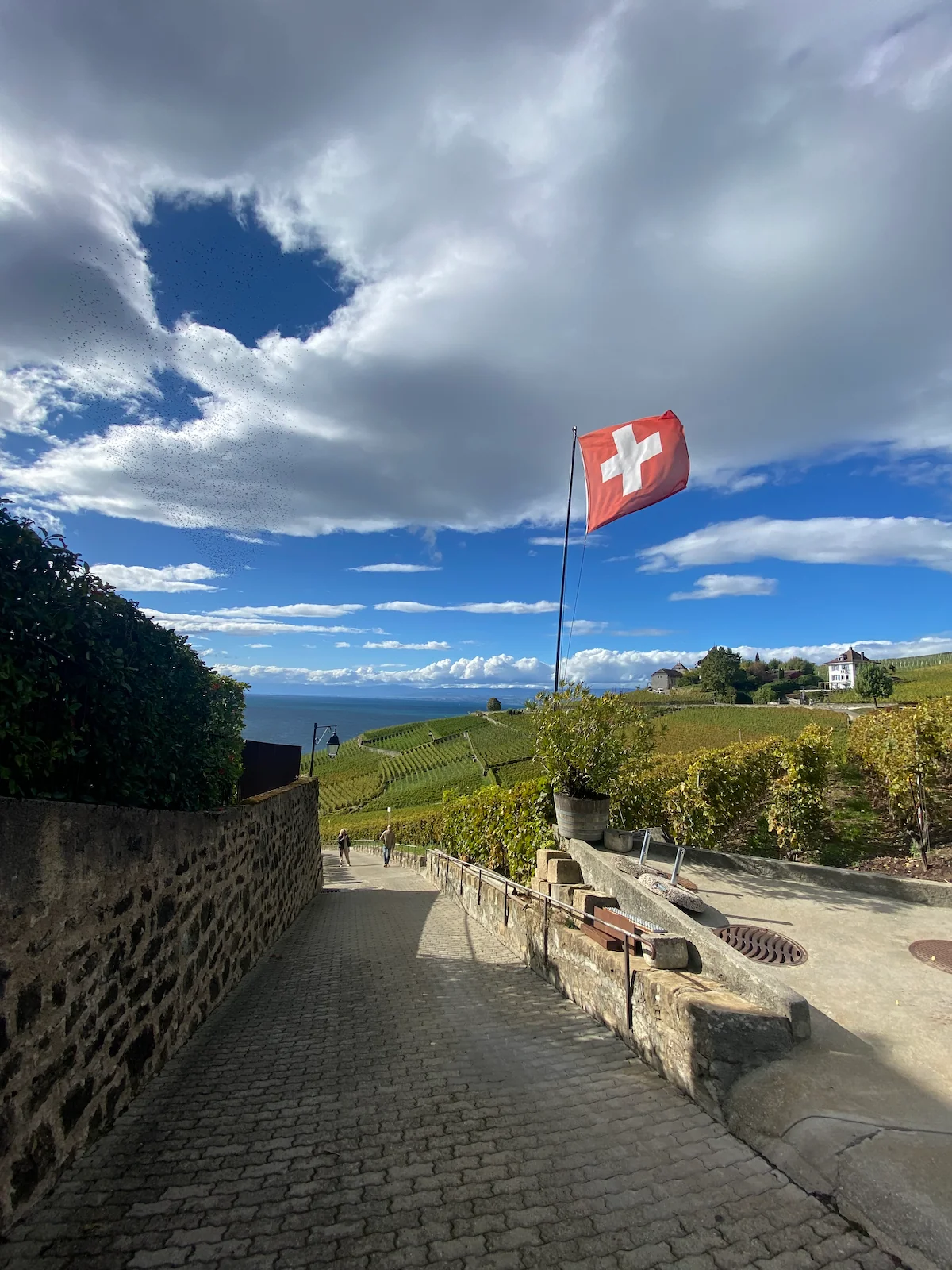
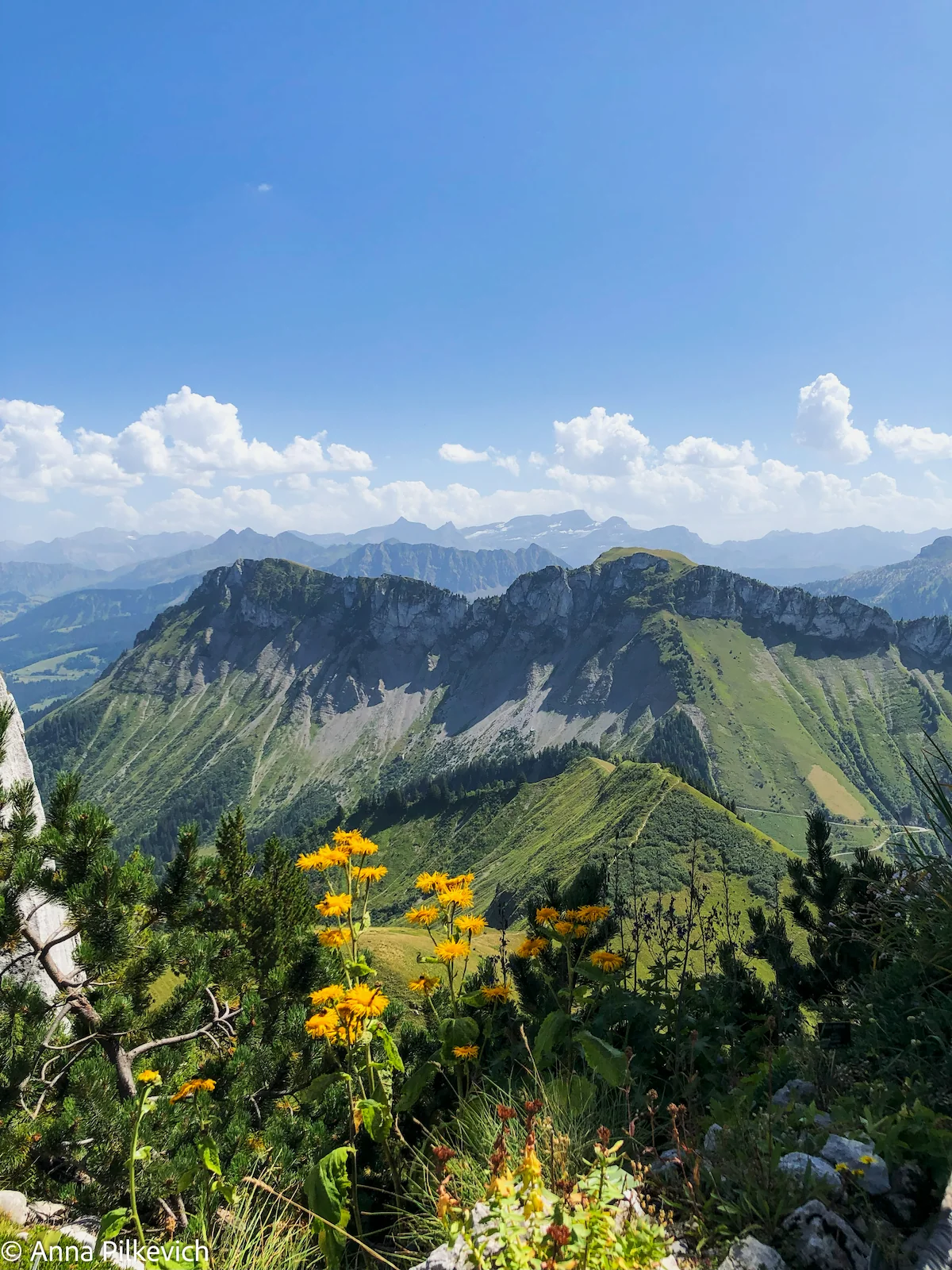
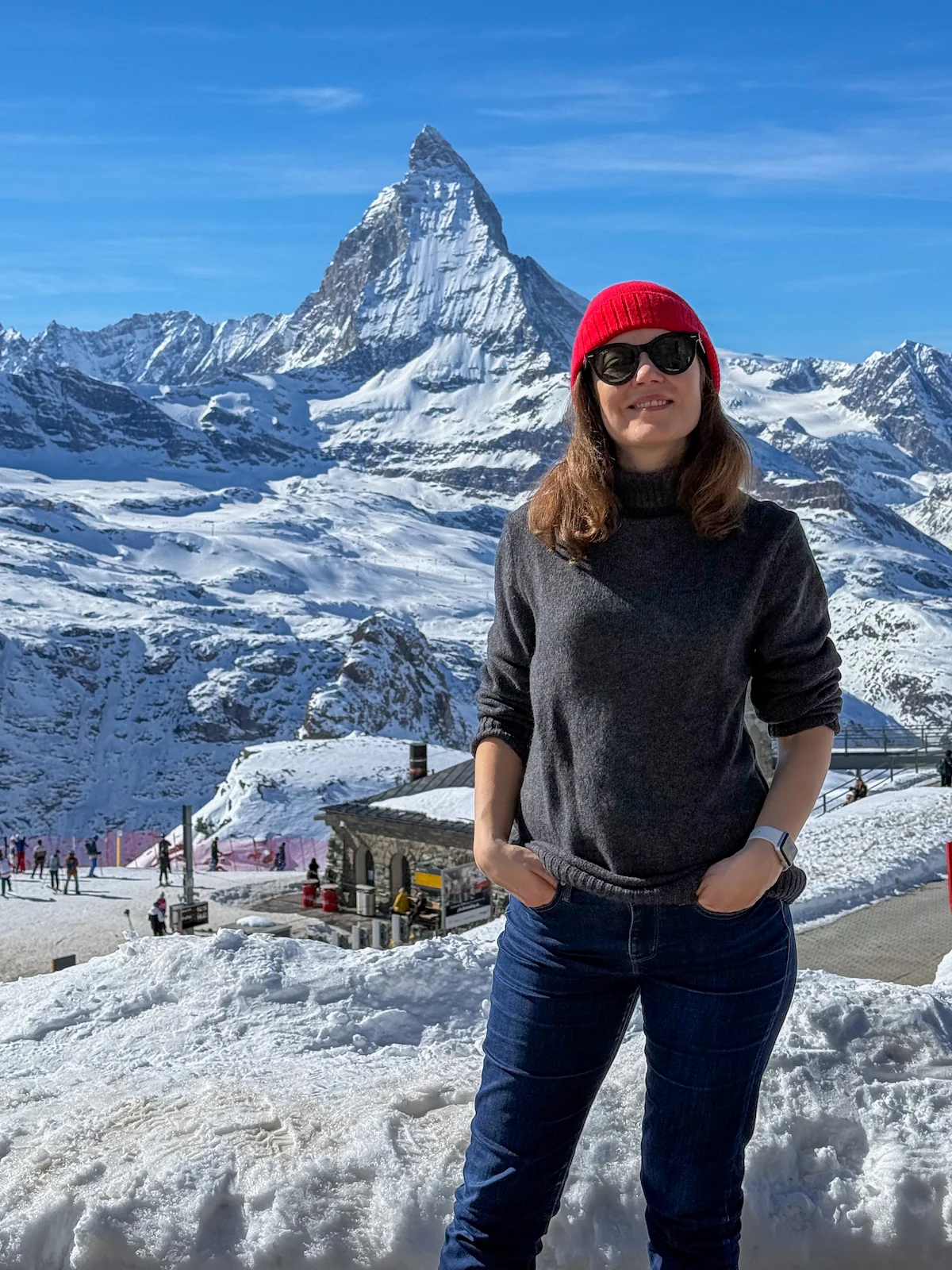
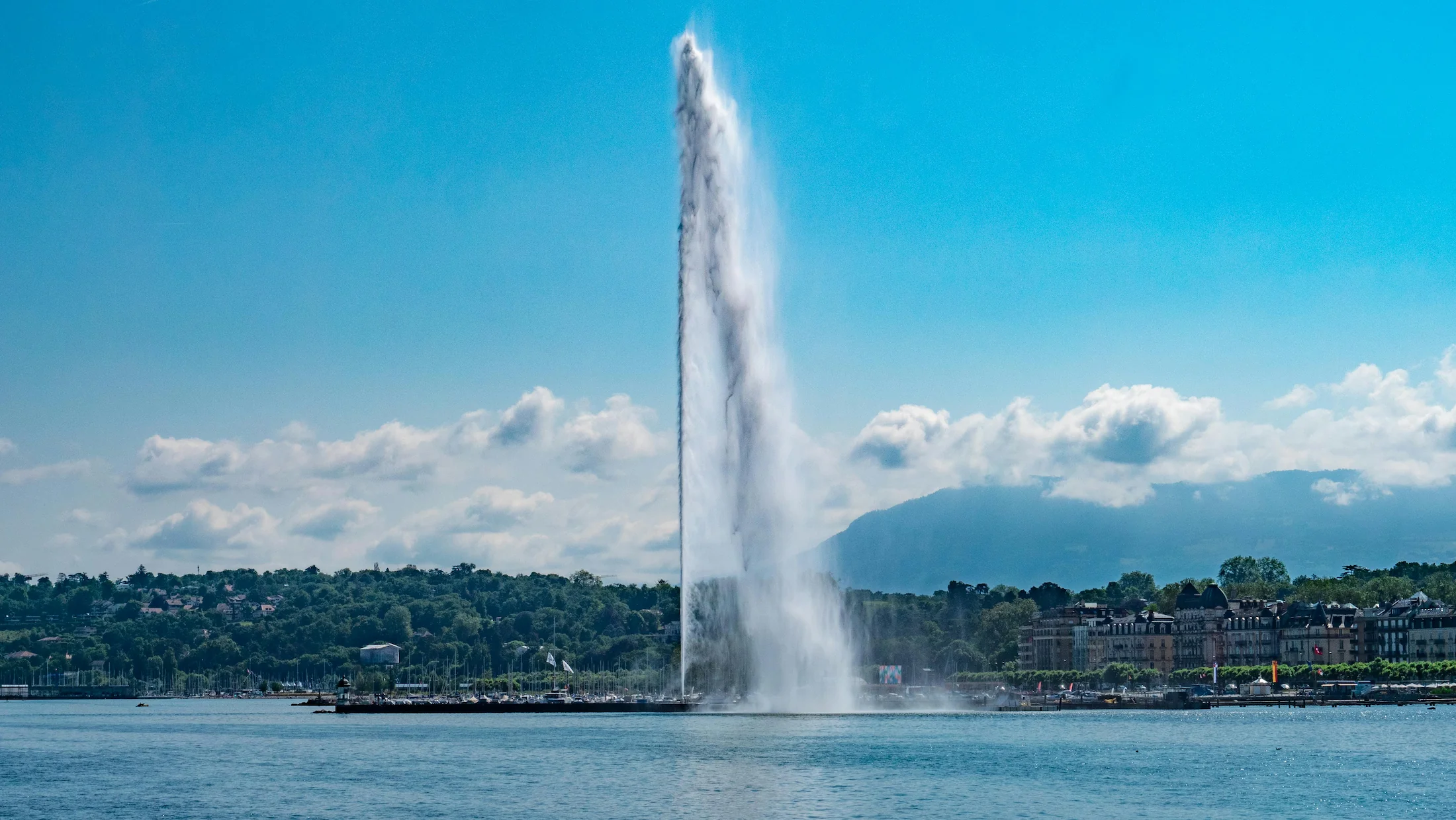
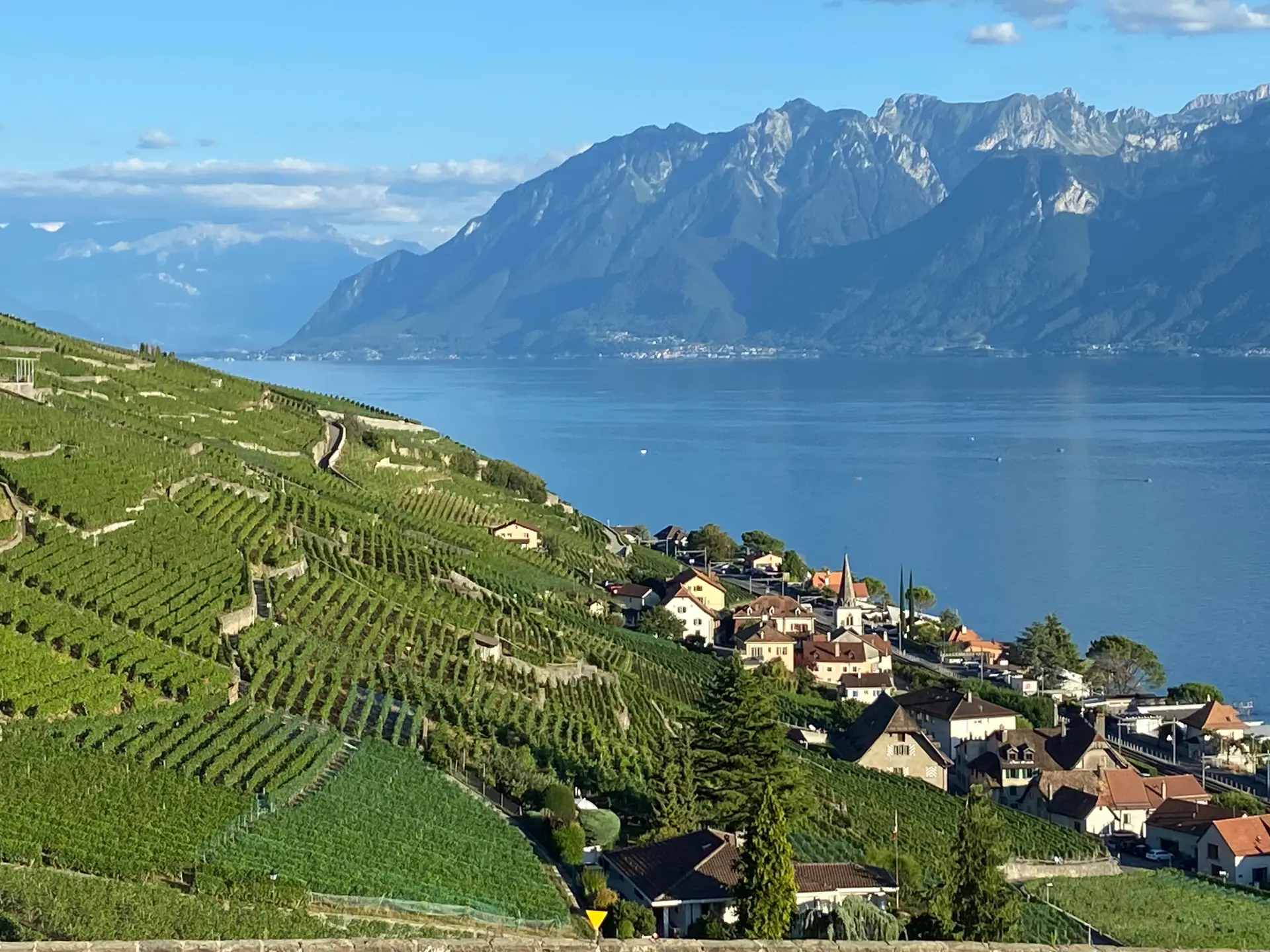
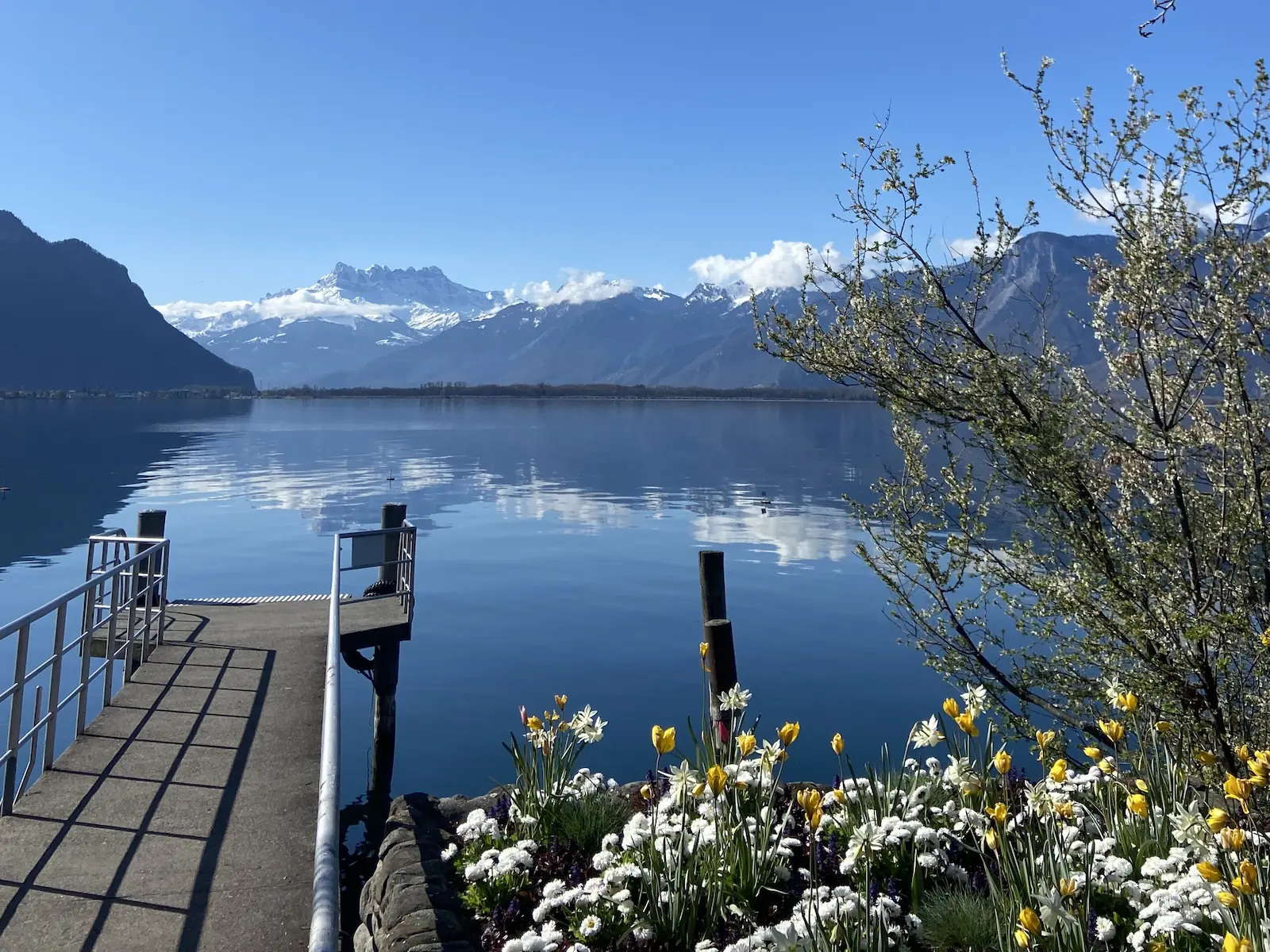
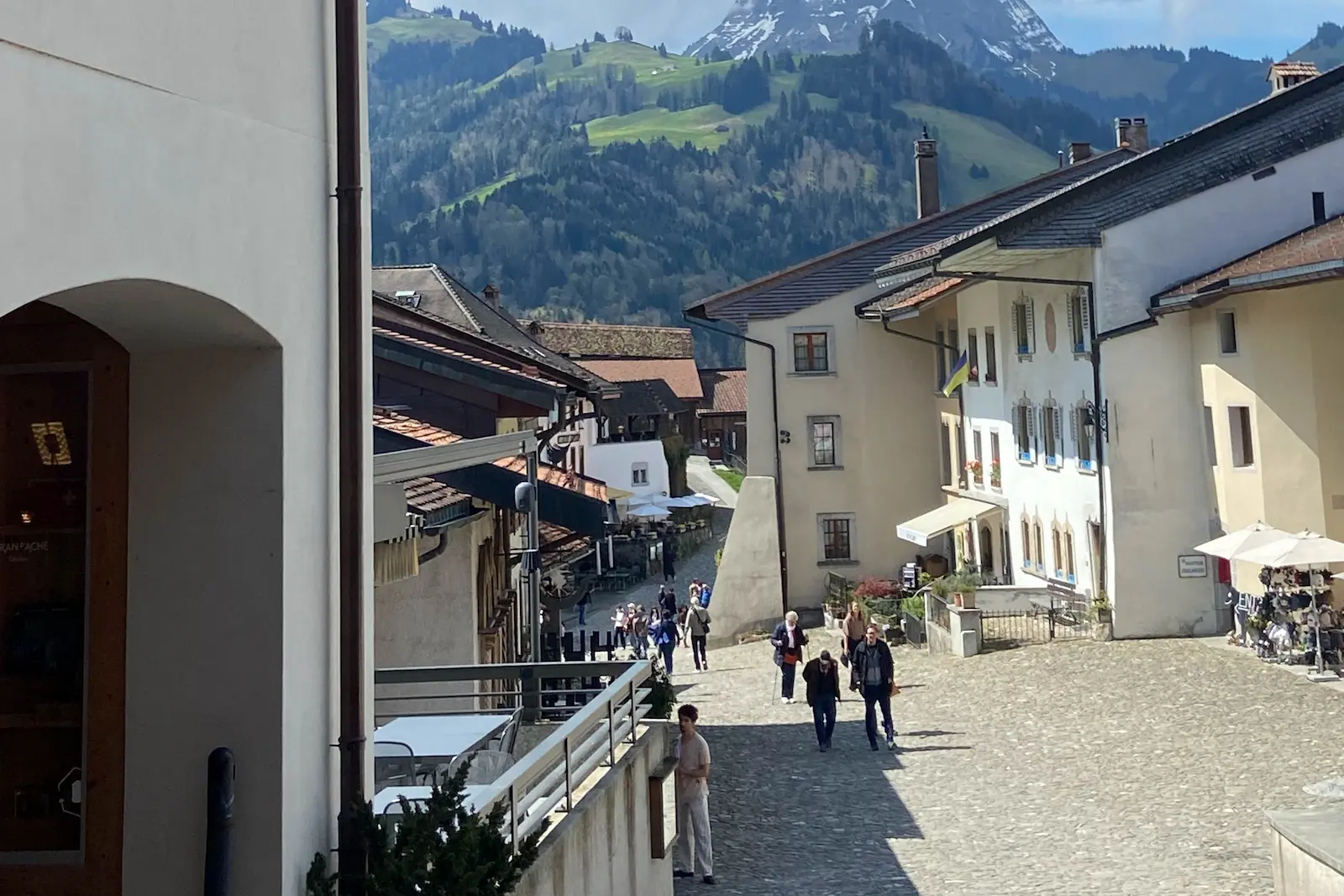
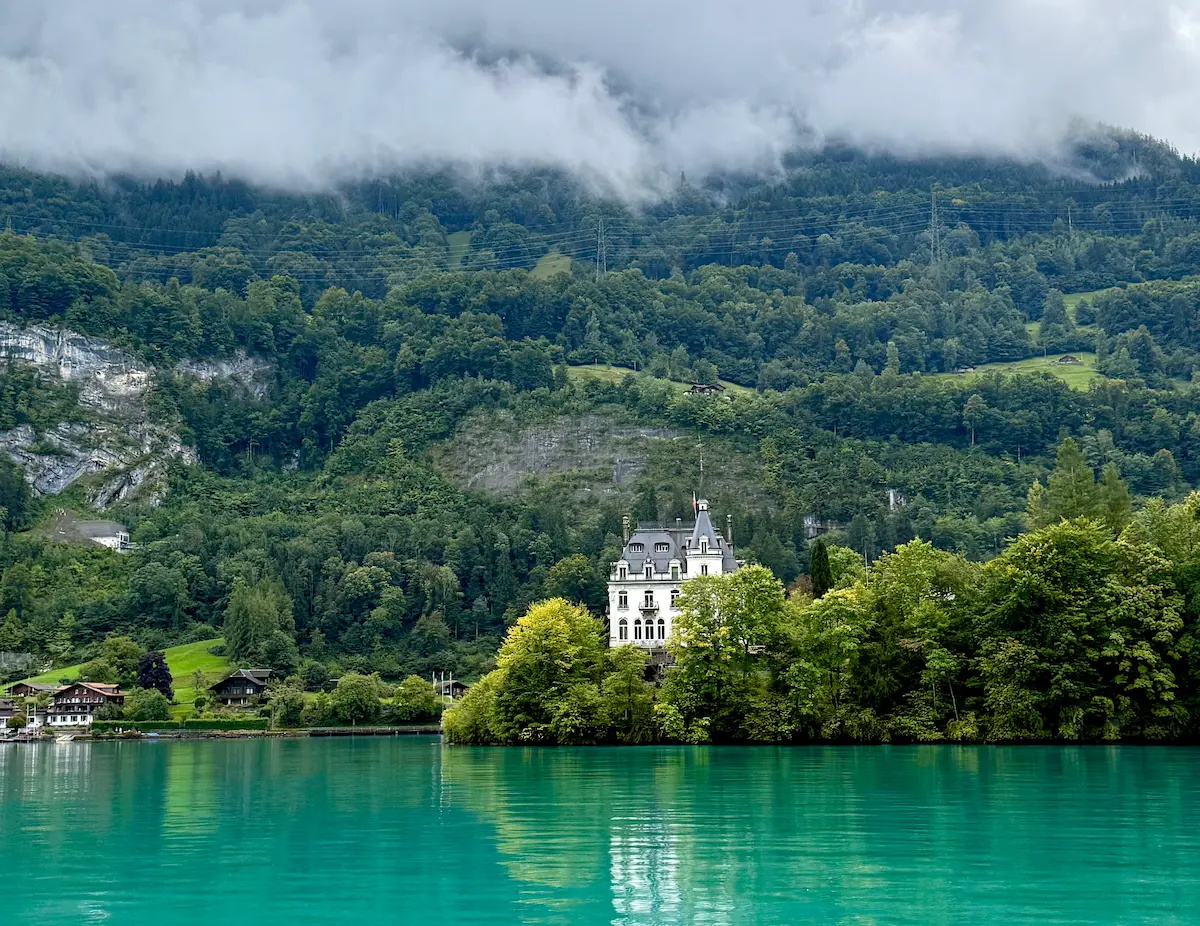
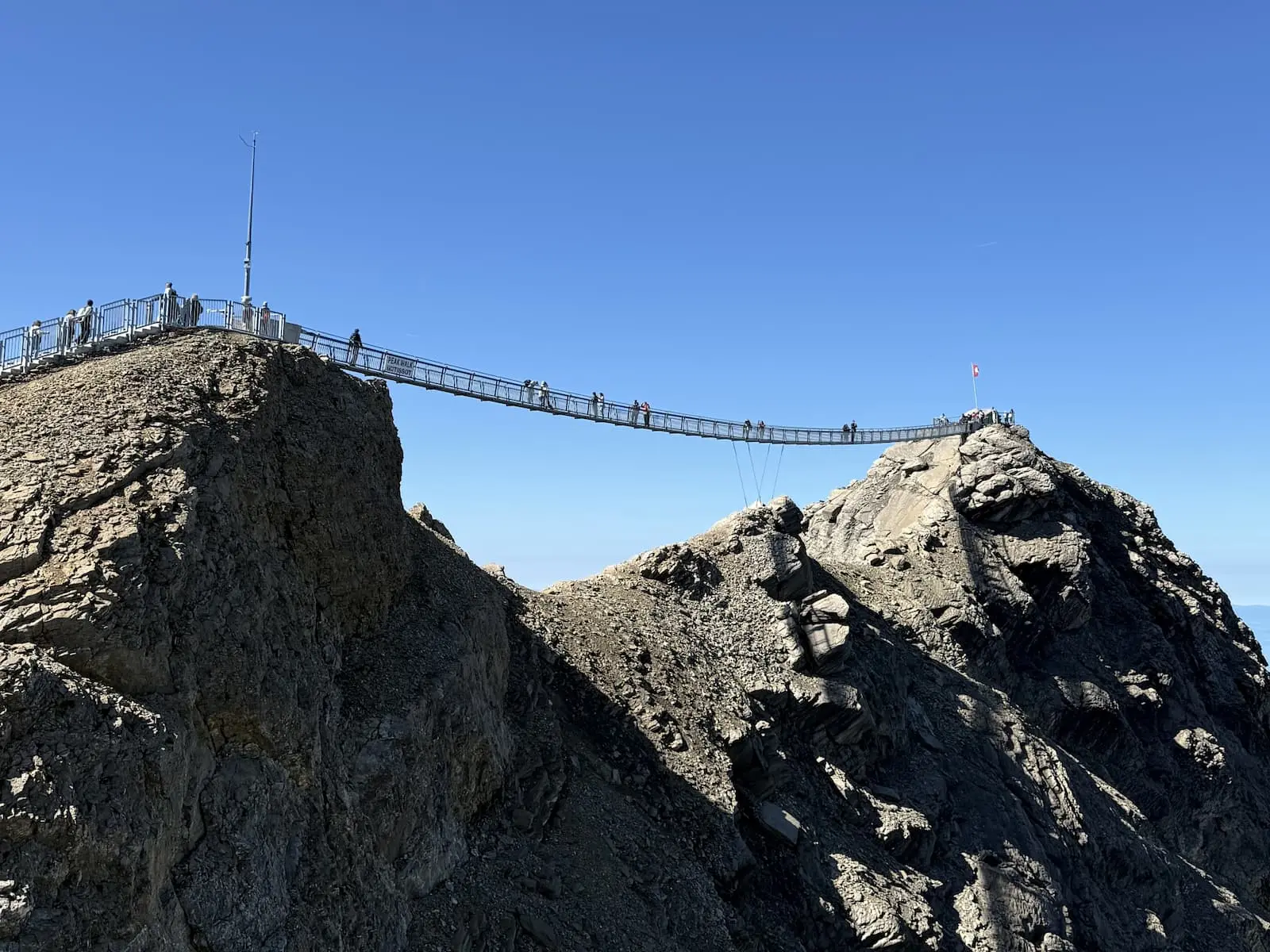
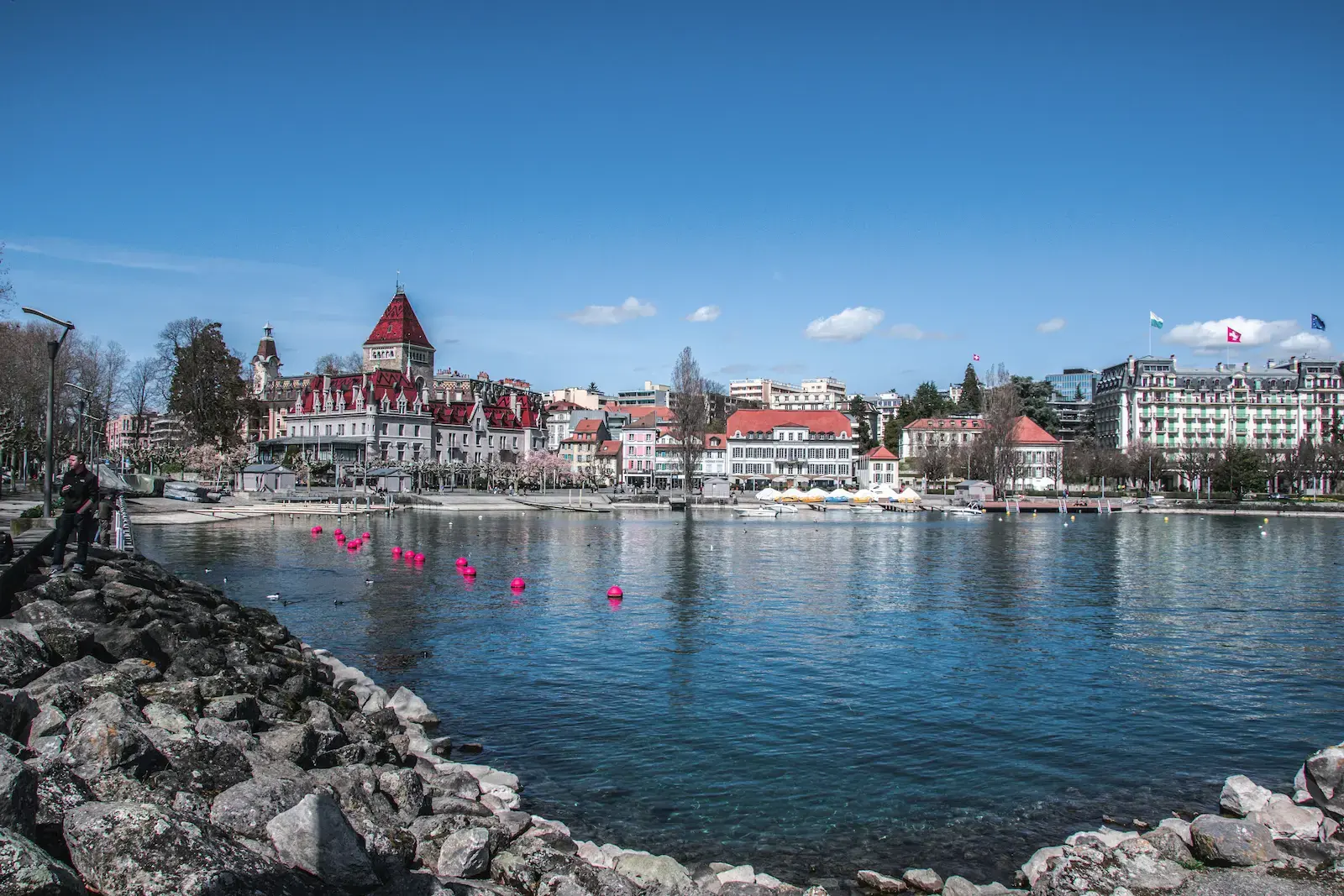
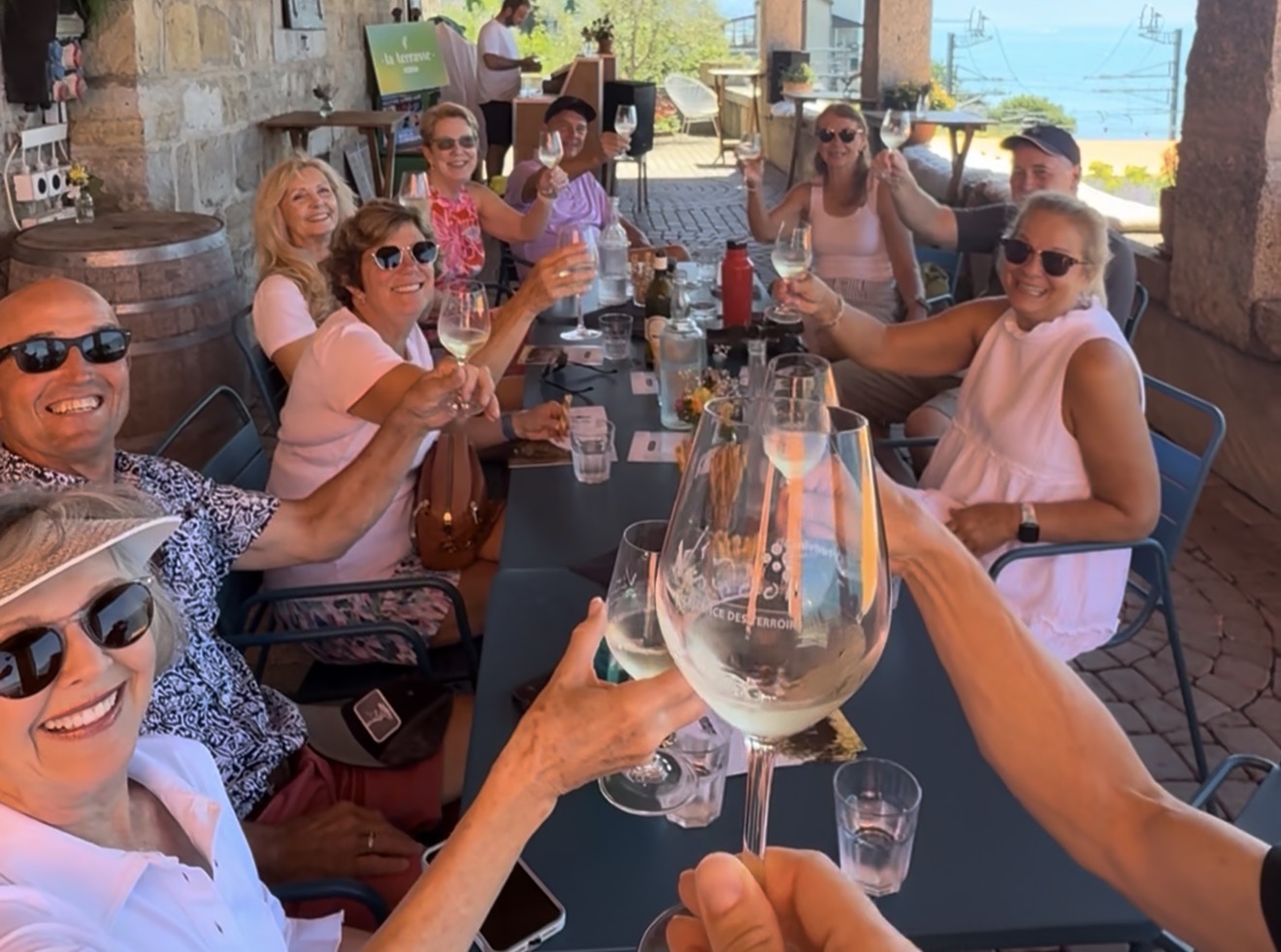
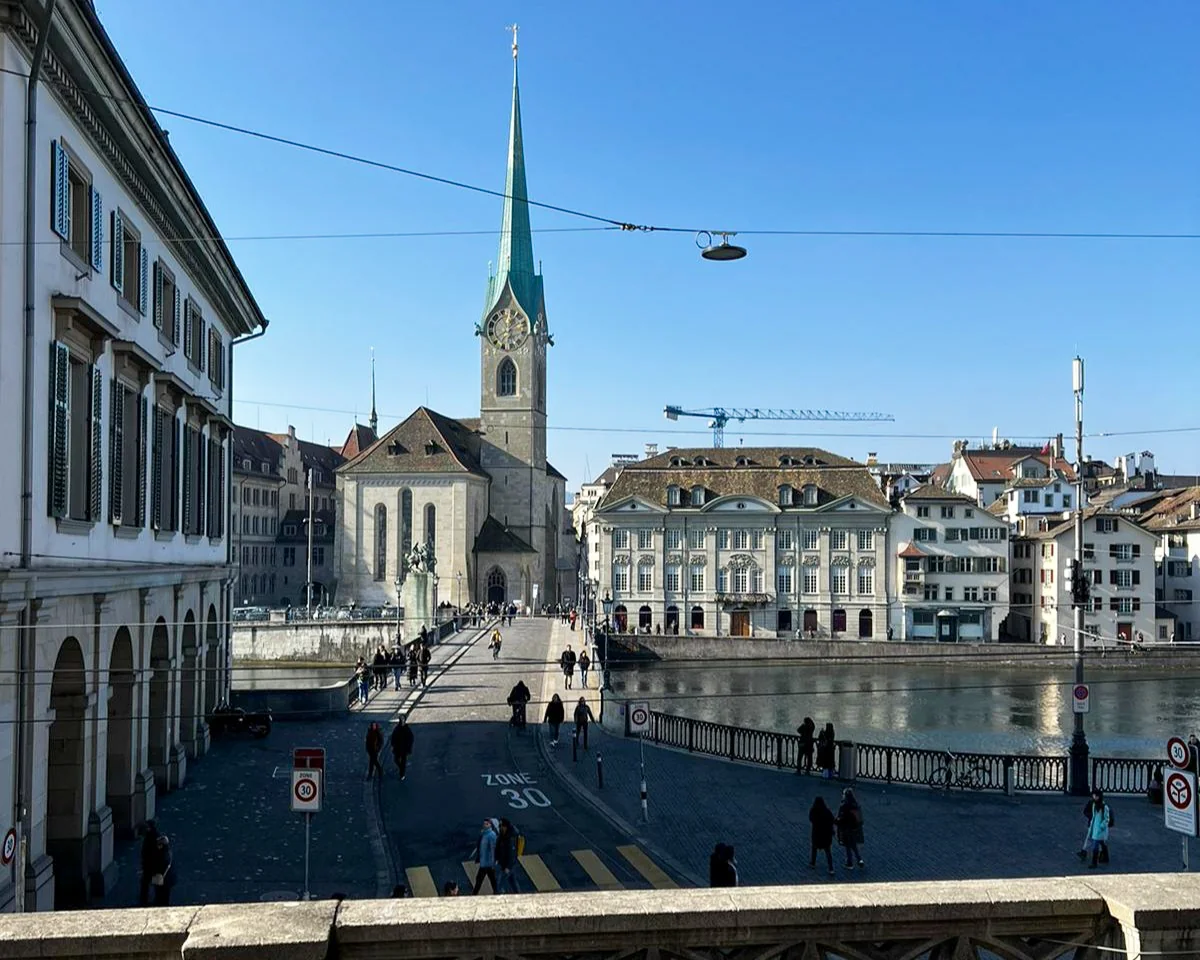
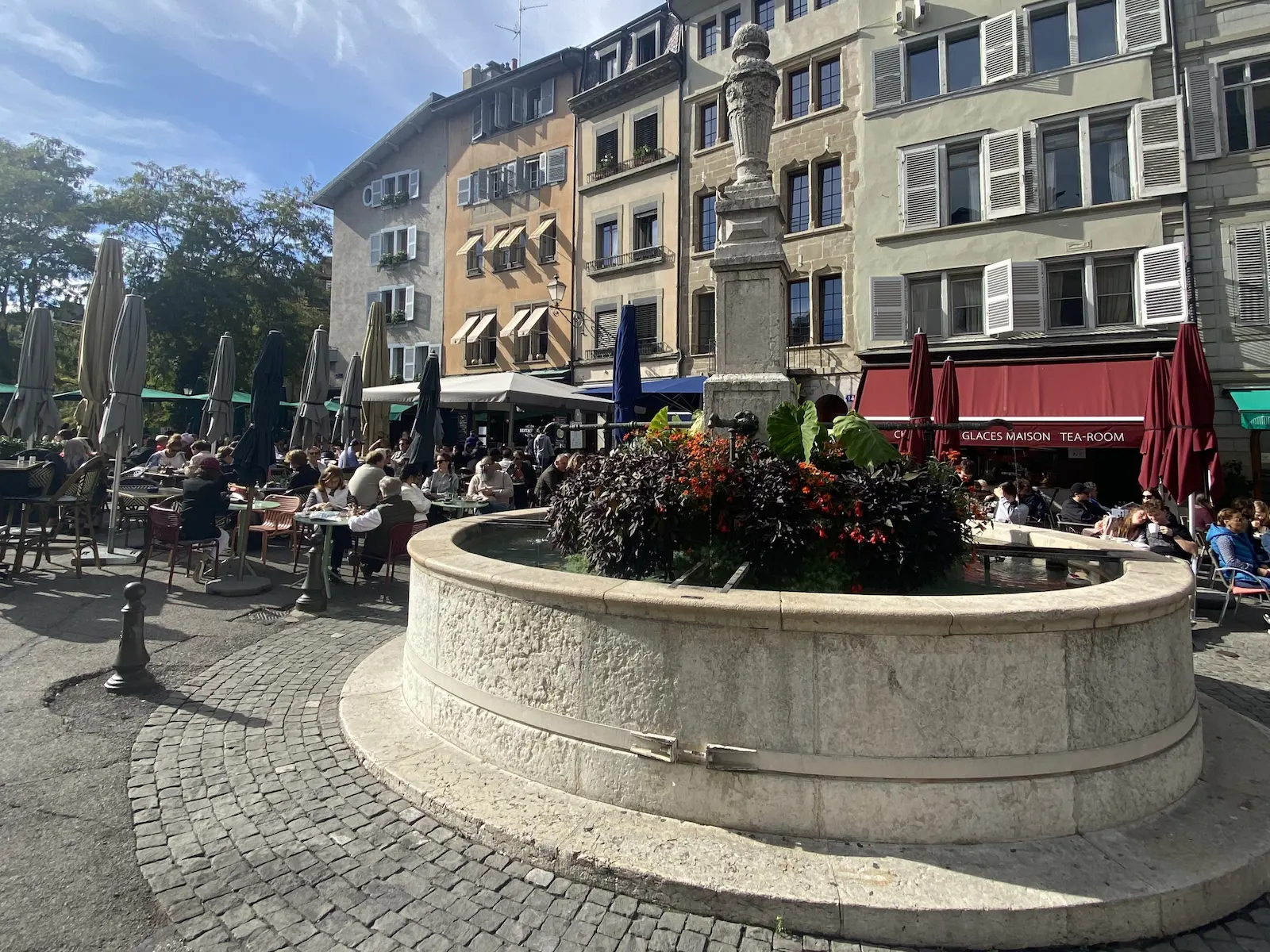
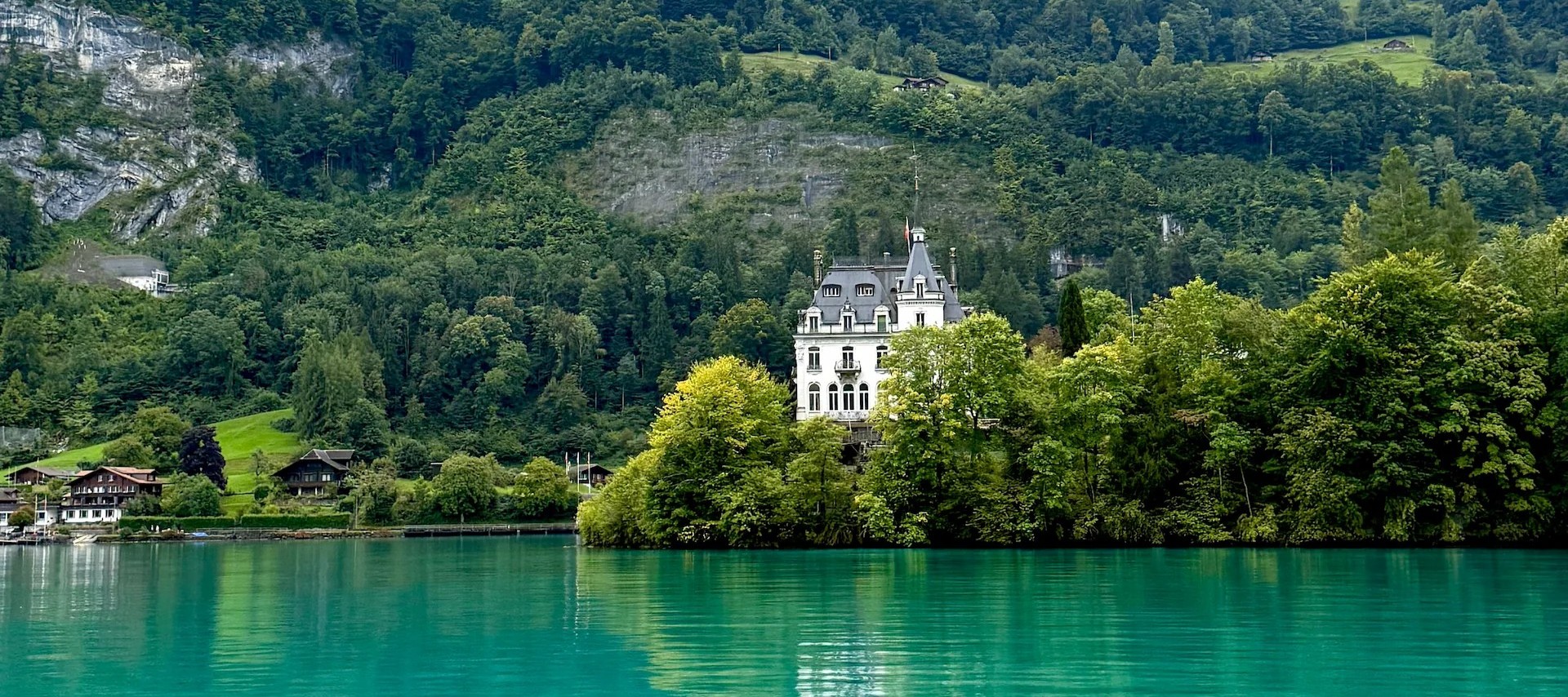
The Alpine ridge serves as a giant natural and cultural watershed. It is thanks to these mountains that the climate, culture, and landscapes transform literally after every tunnel. French-Speaking Switzerland (Romandie): Elegance & Mediterranean Charm Around Lake Geneva, a soft, almost Mediterranean microclimate prevails. The air is warm, palm trees bloom along the promenades of Montreux and Vevey, and sunny hillsides are covered with the UNESCO-listed terraced vineyards of Lavaux. The atmosphere feels effortlessly French: hedonism, leisurely lunches overlooking the lake, wine tastings of crisp Chasselas or rare local Plant Robert, jazz, fine art, and rich history. Central Switzerland & Bernese Oberland: Alpine Might & Picture-Perfect Views Cross the mountain passes toward Interlaken, and the scenery changes dramatically. The climate becomes distinctly Alpine, and the air turns cool and crystal clear. Looming overhead are the legendary giants: Eiger, Mönch, and Jungfrau. This is a region of emerald meadows, the roar of Lauterbrunnen's 72 waterfalls, turquoise lakes, and traditional wooden chalets. Everything here breathes scale, pristine nature, and the spirit of genuine Alpine adventure. Zurich & Lucerne Regions: The German-Speaking Heart, History & Urban Culture Descending toward Lake Lucerne and continuing north brings you to the German-speaking heartland. Lucerne welcomes visitors with fairy-tale wooden bridges, Gothic towers, and cozy historical squares set against Mount Pilatus. Meanwhile, Zurich showcases a completely different side of Switzerland — modern, dynamic, featuring world-class design culture, high-end gastronomy, and serene lifestyle along the Limmat River and Lake Zurich.